Canadian Betting Odds Explained: A Simple Breakdown for Smarter Bets
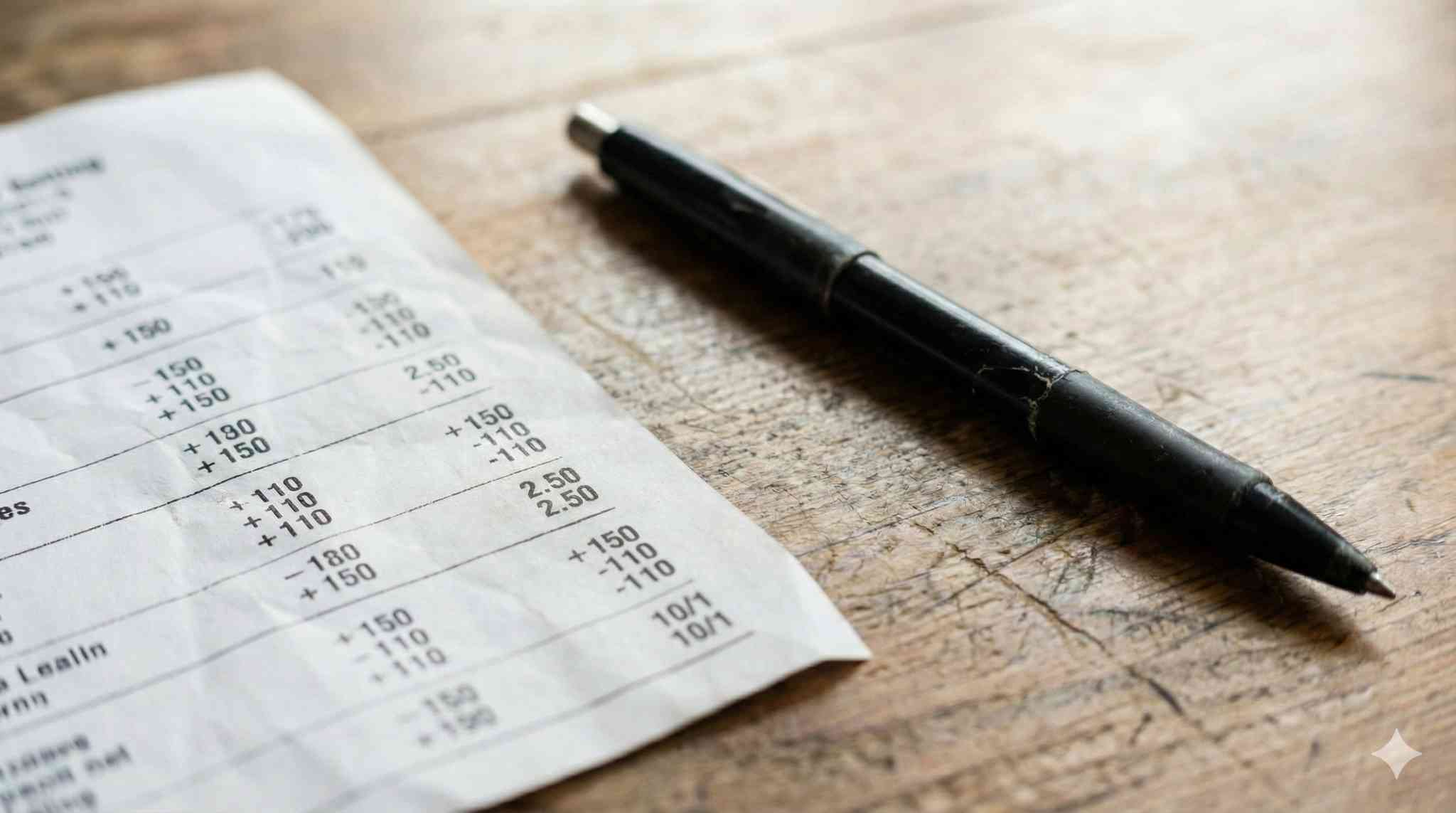
Understanding betting odds is fundamental to making informed wagering decisions. For Canadian bettors exploring the best betting websites in Canada complete list, grasping how odds work transforms gambling from guesswork into strategic entertainment. While odds might initially seem confusing, breaking them down into their core components reveals straightforward mathematics that anyone can master.
What Betting Odds Actually Mean
At their essence, betting odds serve two purposes: they indicate the probability of an outcome occurring and determine how much you’ll win if your bet succeeds. Sportsbooks use odds to balance their books—encouraging action on both sides of a wager while building in their profit margin, known as the “vig” or “juice.”
Canadian betting sites typically display odds in three formats: American (moneyline), decimal, and fractional. Most Canadian platforms default to decimal odds, which are popular throughout Europe and Australia, though they offer options to switch formats based on preference.
Decimal Odds: The Canadian Standard
Decimal odds represent the simplest format and are why they’ve become the Canadian standard. These odds show your total return per dollar wagered, including your original stake. According to Sportsbook Review’s betting calculators, decimal odds make payout calculations straightforward—simply multiply your stake by the decimal number.
For example, odds of 2.50 mean that a $100 bet returns $250 total if you win ($150 profit plus your $100 stake back). The formula is simple: Stake × Decimal Odds = Total Return. Lower decimal numbers indicate favorites (more likely to win), while higher numbers represent underdogs. Odds of 1.50 suggest a heavy favorite, while 5.00 indicates a significant underdog.
American Odds: Understanding Plus and Minus
American odds, also called moneyline odds, use positive and negative numbers relative to $100. While less common on Canadian sites, understanding them helps when comparing odds across platforms or following American sports coverage.
Negative odds (like -150) indicate favorites and show how much you must bet to win $100. With -150 odds, you’d need to wager $150 to profit $100. Positive odds (like +200) indicate underdogs and show how much profit you’d make on a $100 bet. At +200 odds, a $100 wager returns $200 profit plus your original $100.
The format takes practice, but remember: negative means favorite (bet more to win less), positive means underdog (bet less to potentially win more).
Fractional Odds: The Traditional Format
Fractional odds like 5/2 or 3/1 are traditional in UK betting and horse racing. The first number represents potential profit, while the second represents your stake. Odds of 5/2 mean you profit $5 for every $2 wagered, plus you get your $2 stake back for a total return of $7.
While fractional odds appear less frequently on Canadian sports betting sites, understanding them helps when exploring international platforms or horse racing markets. Converting fractional to decimal is simple: divide the first number by the second and add 1. So 5/2 becomes (5÷2) + 1 = 3.50 in decimal format.
Implied Probability: What Odds Really Tell You
Every set of odds represents an implied probability—the likelihood of an outcome as assessed by the sportsbook. Calculating implied probability helps you identify value bets where your assessment of probability differs from the bookmaker’s.
For decimal odds, the formula is: (1 ÷ Decimal Odds) × 100 = Implied Probability %. Odds of 2.00 equal 50% probability, odds of 3.00 equal 33.3% probability, and so on. If you believe a team has a better chance of winning than the implied probability suggests, that represents potential value.
The Vig: Understanding Bookmaker Margins
Sportsbooks don’t offer perfectly fair odds—they build in a profit margin. If you calculate implied probabilities for both sides of a bet and add them together, the total exceeds 100%. This excess represents the vig. A typical two-way bet might show implied probabilities totaling 105-110%, with the bookmaker keeping that 5-10% margin regardless of outcome.
Understanding the vig helps you recognize which bookmakers offer better value. Lower vig means better odds for bettors, which is why comparing odds across multiple platforms proves valuable.
Line Movement and Timing
Odds aren’t static—they shift based on betting action, injuries, weather, and other factors. Sharp bettors monitor line movement to identify value. If odds on a team lengthen (move from 2.00 to 2.30), the bookmaker is encouraging more bets on that side to balance their books. This movement might indicate an opportunity or reflect new information you should consider.
Early odds often differ from game-time odds. Some bettors prefer early betting to capture value before lines sharpen, while others wait for final injury reports and lineup confirmations.
Comparing Odds Across Platforms
Different sportsbooks offer slightly different odds on the same events. These variations create opportunities for value shopping. A team might be listed at 2.10 on one site and 2.20 on another—that difference significantly impacts long-term returns. Maintaining accounts at multiple licensed Canadian sportsbooks enables optimal odds selection for each bet.
Much like strategies for generating passive income through smart financial decisions, successful sports betting requires comparing options and making calculated choices that maximize potential returns over time.
Practical Application: Making Smarter Bets
Understanding odds transforms how you approach betting. Instead of simply picking winners, you assess whether the odds offered represent value relative to true probability. A heavy favorite at -500 (1.20 decimal) might seem like a “sure thing,” but if they only win 85% of the time, that bet loses money long-term.
Smart betting means finding spots where your probability assessment exceeds the bookmaker’s implied probability. Combined with disciplined bankroll management and emotional control, odds literacy forms the foundation of responsible, strategic wagering that prioritizes entertainment value and informed decision-making over pure chance.